Latest News

- Call Us0509598140/0542561995
- Login
Aslin Fashion School believes that true fashion education goes beyond the four walls of the classroom. Through outreach activities, seminars and industrial visits, our students engage with real clients, communities and industry professionals, allowing them to apply classroom skills in authentic situations and build confidence in their craft.
Our exposure and exchange initiatives connect trainees to emerging trends, diverse design perspectives and global best practices in fashion. These experiences broaden their outlook, sharpen their creativity and prepare them to compete in both the Ghanaian and international fashion space as responsible, forward‑thinking designers.
To support different lifestyles and responsibilities, Aslin Fashion School provides flexible study options, including weekday, evening and Saturday sessions, so that learners can choose timelines that work best for them.
This flexibility gives working professionals, apprentices and young graduates the chance to upgrade their skills without putting their jobs or family commitments on hold, ensuring consistent attendance and better learning outcomes.
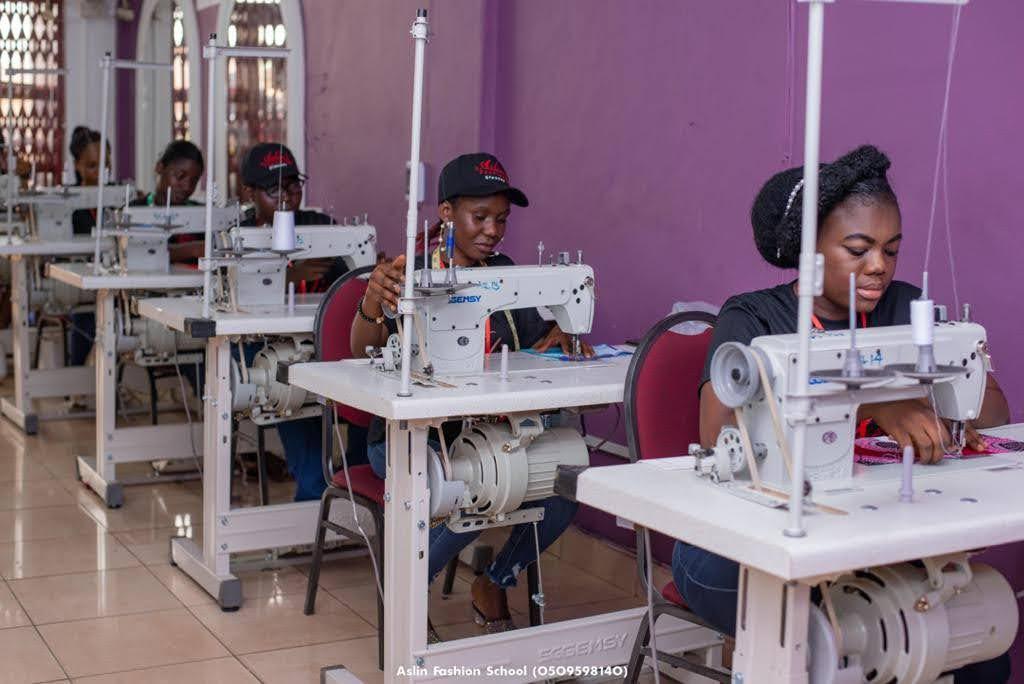
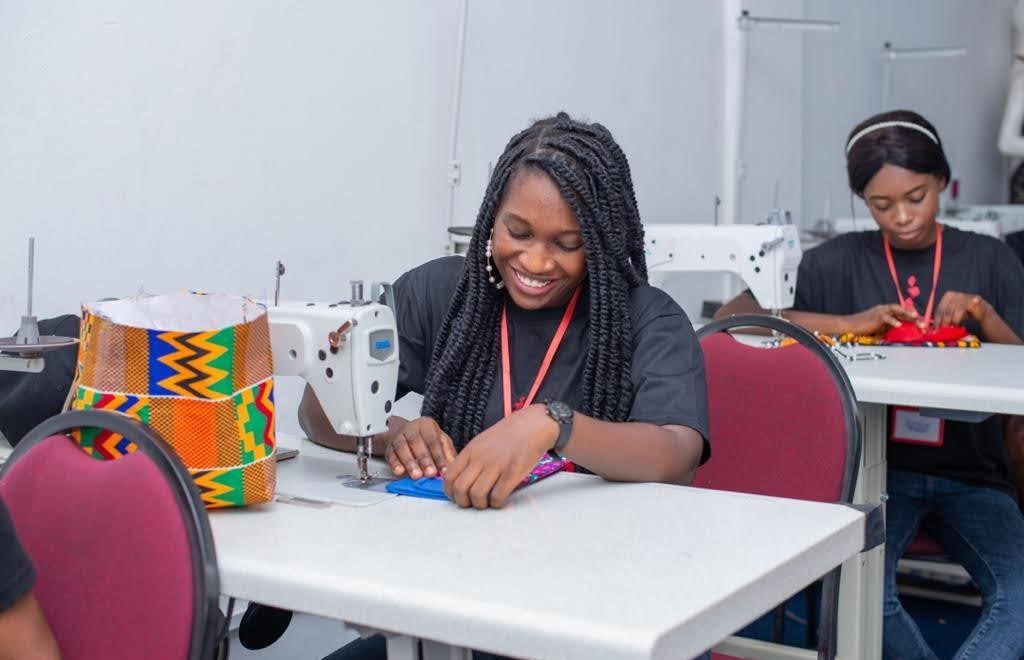
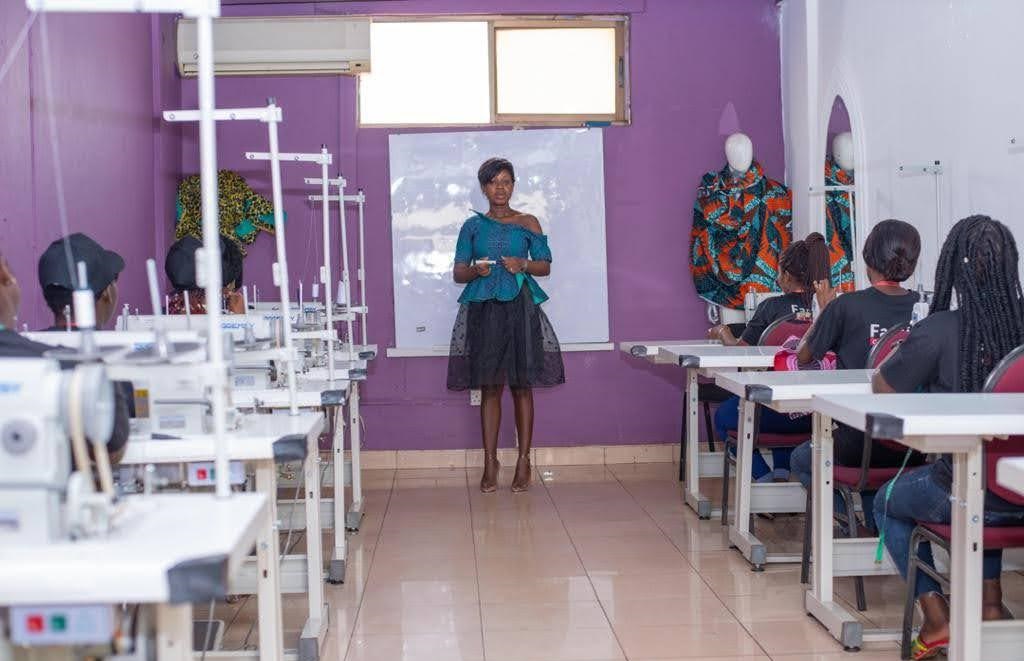
Our classrooms and practical studios are designed to be open, comfortable, well‑lit and visually inspiring, creating the right atmosphere for creativity and concentration.
By combining a conducive physical space with expert guidance, Aslin gives students a near‑studio experience that prepares them for professional fashion workspaces.
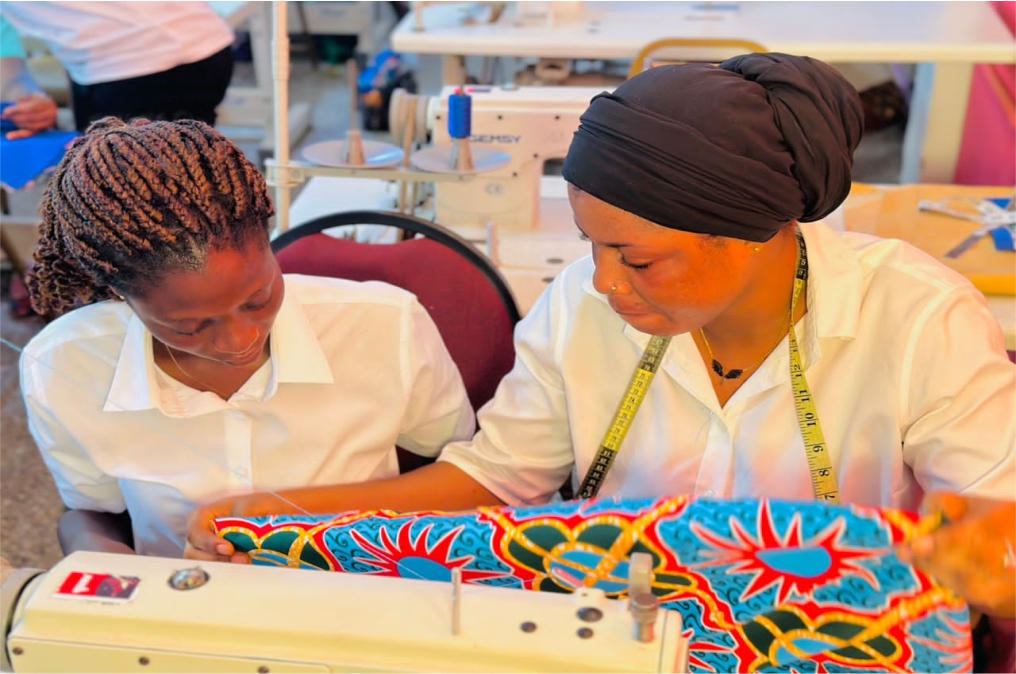
Aslin Fashion School maintains practical training zones where learners work on real garments from sketch to finishing, including cutting, sewing, fitting and pressing.
From basic dressmaking and tailoring to advanced bridal, suit work and soft furnishings, students are guided step by step to translate designs into high‑quality finished pieces.
These practical sessions build technical confidence, attention to detail and professional work habits that are essential for success in fashion and textiles.
Our resource and pattern library provides learners with access to style catalogs, pattern references, fashion magazines and digital resources that support research and design inspiration.
By engaging with these resources, students strengthen their design thinking, expand their creative vocabulary and gain ideas they can translate into unique fashion pieces.